
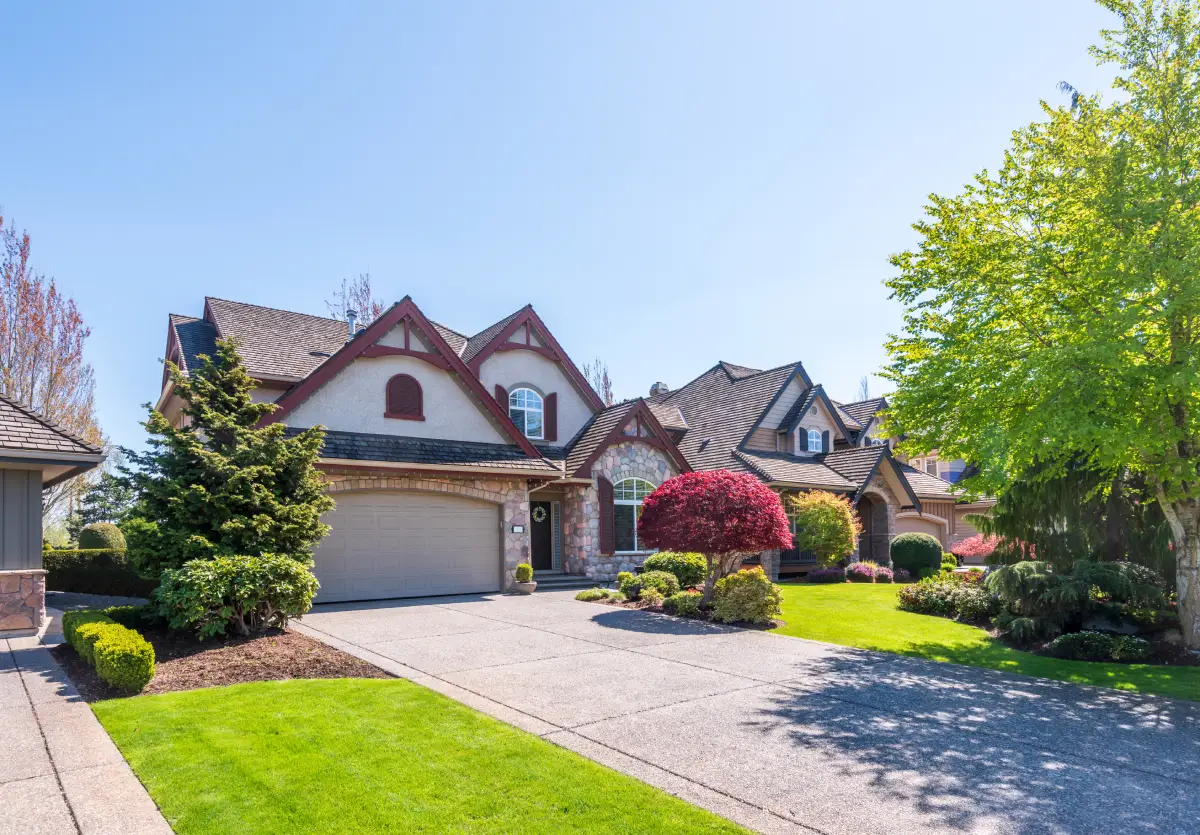
Ownership habits usually come into focus once routines replace anticipation, particularly when expectations are weighed against real outcomes that surface as owners review next steps and daily decisions begin to carry more weight. Some rentals fade into the background with minimal disruption. Others steadily demand attention in ways that weren’t obvious at the start.
At PMI Cardinal, our work stays centered on residential properties, which gives us a clear view of how different rental types perform well beyond the early stages. For many Charlotte owners, single-family homes support a more measured ownership flow where oversight feels intentional instead of reactive.
Key Takeaways
- Single-family homes often limit day-to-day disruptions by reducing shared living complications.
- Private outdoor space and parking frequently support longer tenancies across Charlotte neighborhoods.
- Rent decisions tend to feel more controlled when homes compete on location and livability rather than identical layouts.
- Maintenance planning stays more manageable when repairs involve only one household.
- Financial organization and risk oversight are often simpler with detached residential properties.
How Property Design Affects Daily Oversight
Ownership demands vary widely based on property structure. Single-family homes typically reduce the number of variables owners need to manage, which can make day-to-day oversight feel more predictable.
Without shared stairwells, hallways, or common systems, many routine concerns never surface. That difference becomes apparent quickly, especially for owners balancing rentals alongside work, family, or other investments.
Fewer overlapping responsibilities
Multifamily properties often involve shared utilities, parking coordination, and common-area expectations that generate recurring questions. Detached homes remove many of these friction points, which can reduce disputes and streamline communication.
Clearer tenant communication
When one household occupies the entire property, conversations stay focused. Repair coordination, access scheduling, and responsibility clarification usually involve fewer steps, helping maintain efficient working relationships.
Outdoor Space That Supports Tenant Longevity
Outdoor features play a significant role in how renters experience a property, particularly in Charlotte where neighborhood feel often influences leasing decisions.
Single-family homes commonly offer yards, patios, porches, or driveways that give tenants flexibility without shared coordination. These features support everyday routines and make a rental feel established rather than temporary.
Outdoor elements often affect tenant behavior in practical ways:
- Yards appeal to households with pets or children.
- Private outdoor areas encourage relaxation and informal gatherings.
- Dedicated parking reduces recurring stress tied to availability.
When tenants feel comfortable using their space, renewals tend to follow more naturally.
Floor Plans That Remain Useful Over Time
Layout flexibility quietly shapes how long tenants remain in place. Single-family homes often provide designs that adapt as household needs change.
Space that fits evolving routines
Extra bedrooms, bonus rooms, or finished basements can support remote work, growing families, or visiting relatives. When a home continues to meet daily needs, tenants are less likely to search for alternatives.
Financial clarity over longer holds
Many Charlotte owners begin refining strategy after their first lease cycle, especially once they start tracking income and expenses more closely through property accounting tools that highlight how stable layouts support predictable cash flow.
Rent Decisions Without Internal Competition
Pricing behaves differently depending on property type. Multifamily units often compete directly with similar layouts in the same building, which can trigger frequent rent adjustments.
Neighborhood value drives pricing
Single-family homes compete primarily with nearby properties. Renters compare curb appeal, parking, outdoor space, layout, and proximity to work or schools rather than lining up identical units side by side.
Detached demand remains strong
National rental trends reinforce this advantage. Zillow reports that single-family rents are 20% higher than multifamily rents, reflecting continued renter preference for space and privacy.
Maintenance Planning With Fewer Surprises
Maintenance often reveals the clearest operational differences between property types. Shared systems in multifamily buildings can turn a single issue into multiple disruptions.
One household, one repair scope
In single-family homes, repairs usually affect only one tenant. That isolation simplifies scheduling, budgeting, and communication, reducing the likelihood of cascading problems.
Evaluating performance assumptions
Predictable maintenance supports more accurate projections. Many owners validate expectations using a return calculator to review rent levels, reserve planning, and long-term viability.
Risk Visibility Without Extra Complexity
Risk management is part of every rental strategy, and North Carolina has its own considerations. Single-family homes often involve fewer shared liabilities, which can simplify responsibility boundaries.
Clearer accountability
Detached properties reduce gray areas related to shared spaces. That clarity helps owners avoid confusion when evaluating inspections, maintenance standards, and tenant responsibilities.
Reviewing rent versus exit options
As goals evolve, owners often revisit whether holding or selling makes the most sense. A rent-or-sell review can help frame decisions around performance, timing, and market conditions.
Growth That Stays Manageable
Single-family homes often align well with owners who prefer incremental expansion rather than rapid scaling. Adding properties gradually allows for refinement without introducing unnecessary complexity.
Oversight without overload
Detached homes allow owners to grow portfolios while maintaining visibility into each property’s performance. That pace often feels more sustainable for residential investors balancing multiple responsibilities.
Clarity through consistent review
Many Charlotte owners rely on periodic evaluations like a rental performance check to stay aligned with market shifts and operating realities.
National Housing Trends Still Matter
Local conditions guide most decisions, yet national housing data provides helpful perspective. Detached housing continues to attract strong interest across the country.
The National Association of REALTORS® reported a median existing single-family home price of $426,800 in the third quarter of 2025, highlighting sustained demand for this property type.
Establishing a Single-Family Focus in Charlotte
Choosing a detached home is a strong foundation. Long-term success often comes from consistent habits that support both tenant experience and owner clarity.
- Select neighborhoods where renters can envision staying beyond one lease cycle.
- Set expectations early around maintenance reporting, yard care, and parking.
- Maintain reserves so routine issues stay manageable.
- Approach renewals as ongoing conversations rather than paperwork alone.
At PMI Cardinal, we help owners translate these habits into reliable systems that hold up year after year.
FAQs about Single Family Homes in Charlotte, NC
How do single-family homes influence tenant expectations in Charlotte, NC?
Tenants often expect privacy, defined boundaries, and outdoor access. When these expectations are met through consistent upkeep and communication, satisfaction tends to improve and tenancies often extend longer.
Do single-family rentals attract different tenant profiles than apartments?
Yes, many applicants seek stability, neighborhood continuity, and space. This can lead to longer planning horizons and more deliberate leasing decisions.
How does parking availability affect rental demand?
Dedicated driveways or garages reduce daily inconvenience. In Charlotte neighborhoods, reliable parking can significantly influence tenant interest and renewal decisions.
What maintenance approach works best for single-family homes?
Preventive inspections and timely repairs help avoid larger issues. Addressing wear early protects property condition and minimizes lease disruptions.
Why do some owners prefer single-family homes for longer holds?
Detached homes often offer steadier operations, clearer financial tracking, and fewer shared systems, supporting predictable performance over extended ownership periods.
The Point Where Charlotte Rentals Feel More Intentional
Results tend to feel more tangible once daily oversight stops feeling scattered and starts feeling intentional. In Charlotte, single-family homes often contribute to that shift by narrowing variables, clarifying responsibilities, and making performance easier to track over time.
PMI Cardinal helps residential owners translate that traction into a clearer operating plan. Reframe your ownership priorities by engaging with our owner services and setting a direction that aligns with how you want your rentals to function long term.
